

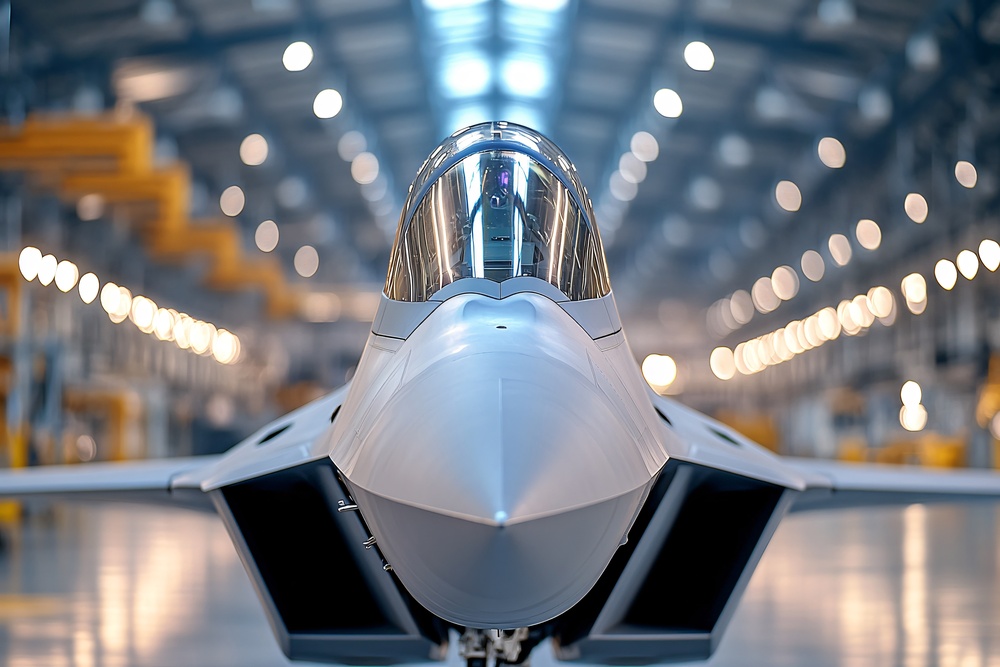
In the process of designing an aircraft, there are many issues to take into account. The shape of the wings, engine power and passenger comfort are not all; engineers have to choose what materials to use for construction too. The selection is diverse, and sometimes it is difficult to select the optimal materials for certain parts. Also, some materials should not be used because they are not fit for particular purposes. Some of the materials used in the process of design of aircraft and their optimal use are discussed below.
Carbon Fiber Composites
Carbon fiber composites offer a high strength-to-weight ratio, making them useful where reducing aircraft weight is a priority, according to the experts at Axiom Materials, one of the best aerospace composites manufacturers in the industry. Carbon fiber reinforced polymers are extremely strong yet very light compared to traditional metals, thus allowing aircraft to consume less fuel and fly farther. Most modern commercial airliners use composites for significant portions of the fuselage and wings. Aerospace composites are often supplied as prepregs, with reinforcing fibers already impregnated with a controlled amount of resin. Thus, aircraft builders get a product of constant quality. Perfect for use in wings, fuselage panels, tail sections and interior structures.
Aluminum Alloys
We all know that composites have become very popular in the last few decades. Nevertheless, aluminum alloys are still widely used. This material is light, relatively cheap and easy to form and machine.
Read More: Key Software Systems FAQ: Answers to Common Courier Software Questions
Engineers have used it for nearly a century. They fully understand its properties. It is also relatively easy to repair. This reduces the maintenance cost for airlines. It can be used in almost any area of an aircraft, except those exposed to extreme temperatures because aluminum loses its strength when heated up.
Titanium
Titanium is one of the most durable materials in aviation, and there are several reasons for that. It is very strong and resistant to corrosion, can work at higher temperatures than aluminum and does not interact with carbon fiber, thus avoiding corrosion in contact with it. Its cost and machining requirements mean engineers generally reserve it for components where its performance justifies the expense. Perfect for landing gear, engine parts and fasteners.
Ceramic Matrix Composites
Ceramic matrix composites developed significantly recently. What was once too complicated and expensive to use on a regular basis now can be found in some of the most sophisticated jet engines. Certain ceramic matrix composites can operate at temperatures beyond the practical limits of conventional nickel-based engine alloys, with less cooling required. This allows engines to operate at higher temperatures and thus increase efficiency. Widely used in engine exhausts and nozzles.
Fiberglass
Fiberglass consists of fine threads of glass set in resin. This material is less expensive than carbon fiber and easy to form into complex shapes. However, it is generally denser and less stiff than carbon fiber composites. Suitable for use in radomes housing radar equipment, as well as fairings, interior panels and general aviation aircraft. It is recommended to avoid using fiberglass in primary load-bearing structures of large airliners.
Conclusion
There is certainly a variety of materials available for use in construction of aircraft. One thing to be sure of is that designers will have to use more than one material to construct an aircraft because no single material can be used everywhere. Hot sections require materials which can withstand high temperatures, such as ceramic matrix composites or titanium, while wings and fuselage sections have more possibilities, including carbon fiber, aluminum or fiberglass. Even a small material choice can have a huge effect on the weight, safety and cost of an aircraft. That is why selecting the right supplier is also important.
Read More: Why Investors Look for Stability When Markets Become Uncertain